
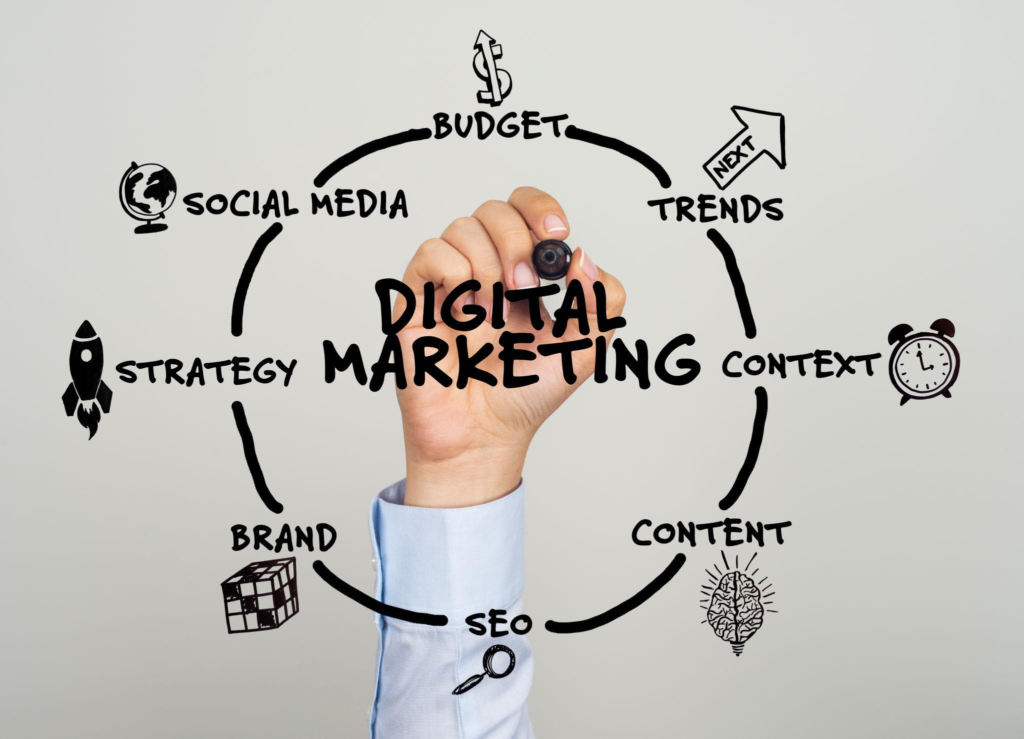
Digital marketing is the practice of promoting products or services using online channels such as search engines, social media platforms, websites, email, and mobile apps. In today’s fast-moving digital world, it has become an essential tool for businesses of all sizes to reach their audience, build brand awareness, and generate leads.
Unlike traditional marketing methods like print ads or billboards, digital marketing allows businesses to connect with their target audience in a more personalized and measurable way. Whether you are a small business owner, a freelancer, or someone just starting out, understanding digital marketing can open up countless opportunities.
Why Digital Marketing is Important in 2026
In 2026, almost every customer journey begins online. People search for products on Google, explore brands on social media, and read reviews before making decisions. This shift in behavior makes digital marketing more important than ever.
One of the biggest advantages of digital marketing is targeting. Businesses can show their ads to specific audiences based on age, location, interests, and behavior. This ensures that marketing efforts are not wasted and reach the right people at the right time.
Another key benefit is cost-effectiveness. Compared to traditional advertising, digital marketing allows businesses to start with a small budget and scale as they grow. It also provides real-time data, helping marketers understand what is working and what needs improvement.
Main Types of Digital Marketing
Digital marketing is a broad field with several key components:
1. Search Engine Optimization (SEO)
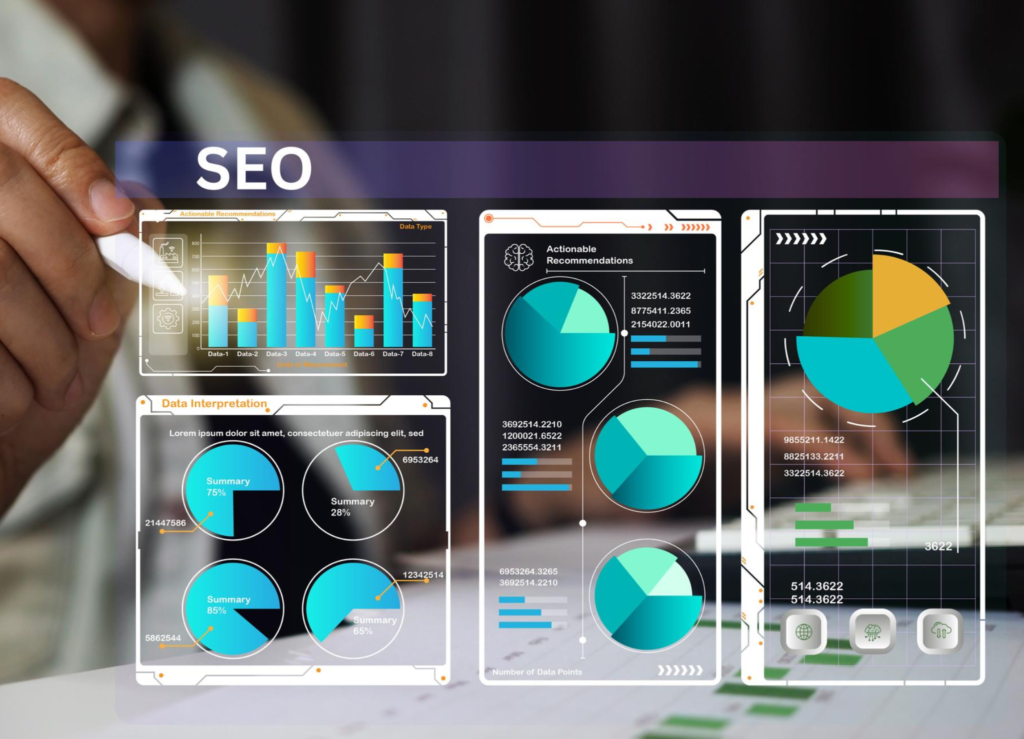
SEO is the process of improving a website’s visibility on search engines like Google. By optimizing content, keywords, and website structure, businesses can rank higher in search results and attract organic traffic.
2. Social Media Marketing (SMM)
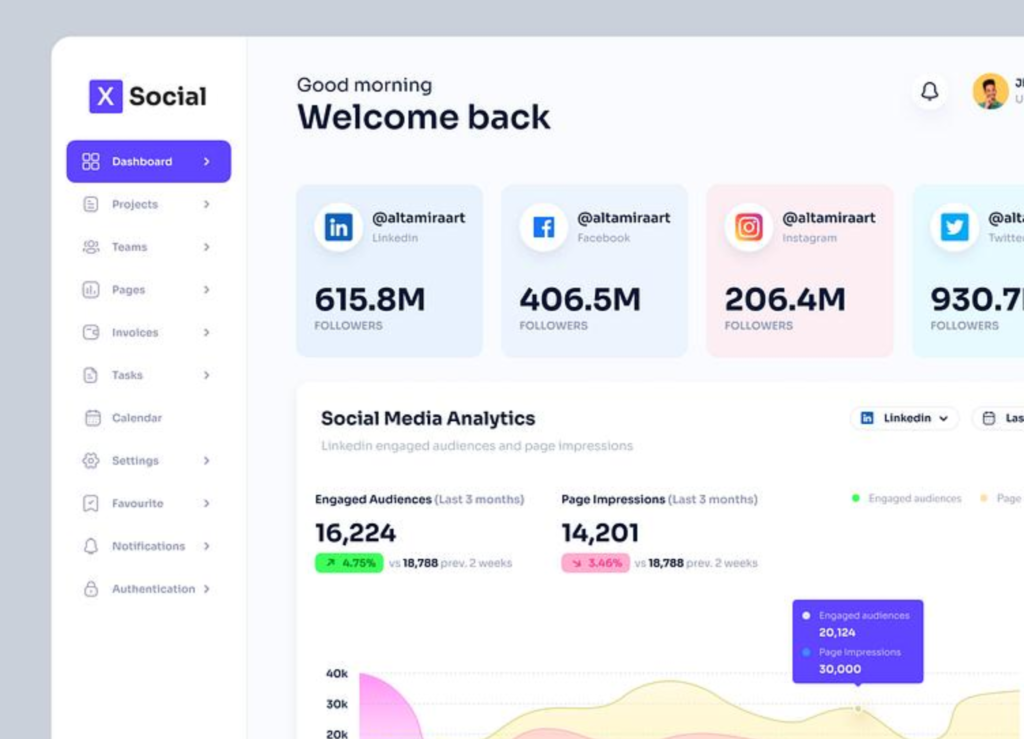
This involves promoting a brand on platforms like Instagram, Facebook, LinkedIn, and Twitter. It helps businesses engage with their audience, build relationships, and increase brand awareness.
3. Pay-Per-Click Advertising (PPC)
PPC includes paid ads on platforms like Google Ads and social media. Businesses pay only when someone clicks on their ad, making it a highly performance-driven strategy.
4. Content Marketing
Content marketing focuses on creating valuable and relevant content such as blogs, videos, and infographics to attract and educate the audience.
5. Email Marketing
Email marketing is one of the most effective ways to nurture leads and maintain customer relationships by sending personalized messages and offers.
How Digital Marketing Works
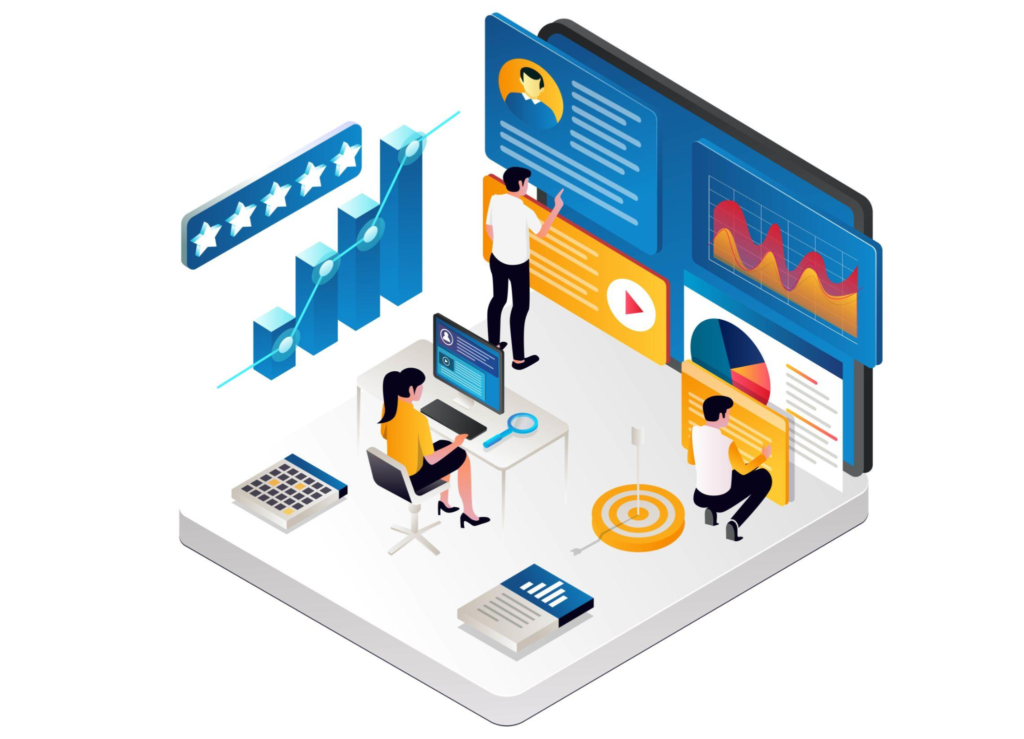
Digital marketing works through a structured process often called a funnel. It starts with attracting potential customers through ads, SEO, or social media. Then, these visitors are directed to a website or landing page where they learn more about the product or service.
Once the user shows interest by filling out a form or contacting the business, they become a lead. With proper follow-up through email or WhatsApp, businesses can convert these leads into paying customers.
For example, a small interior design business can run Facebook ads showcasing its work, direct users to a landing page, collect inquiries, and convert them into clients.
Benefits of Digital Marketing
Digital marketing offers several advantages:
- Global Reach: You can reach customers anywhere in the world.
- Better Targeting: Ads can be shown to specific audiences.
- Measurable Results: Track clicks, conversions, and ROI.
- Flexibility: Campaigns can be adjusted anytime.
- Higher Engagement: Interactive platforms help build trust.
Common Mistakes Beginners Should Avoid
While digital marketing is powerful, beginners often make mistakes such as:
- Not defining a clear target audience
- Ignoring content quality
- Running ads without a proper strategy
- Not tracking performance
- Expecting instant results
Avoiding these mistakes can save time, money, and effort.
Future of Digital Marketing
The future of digital marketing is driven by technology and personalization. Artificial intelligence, automation, and data analytics are transforming how businesses interact with customers. Video content, short-form reels, and voice search are becoming more popular, making it essential for marketers to stay updated.
Conclusion
Digital marketing is no longer optional—it is a necessity for business growth in 2026. It provides a powerful way to connect with your audience, generate leads, and increase sales. By understanding the basics and applying the right strategies, anyone can start their digital marketing journey and achieve success.