
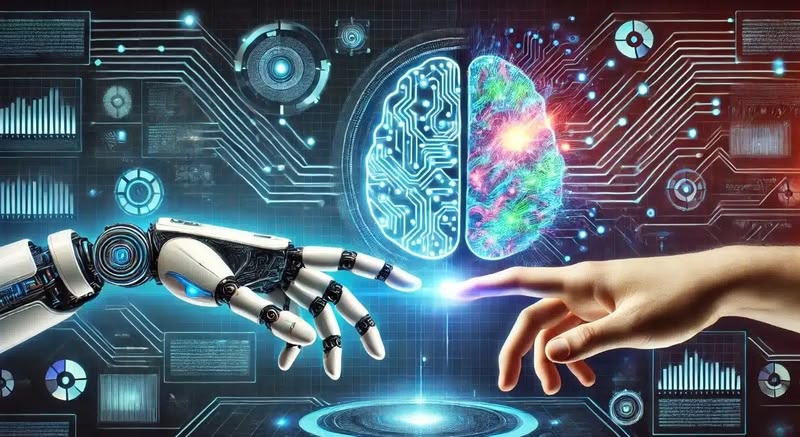
Artificial Intelligence (AI) is one of the most powerful and rapidly growing technologies in the world today. It refers to the ability of machines and computer systems to perform tasks that normally require human intelligence, such as learning, problem-solving, decision-making, and understanding language.
From voice assistants on smartphones to recommendation systems on shopping websites, AI is already a part of our daily lives. In 2026, AI is not just a trend—it is transforming industries, businesses, and the way we work.
What is Artificial Intelligence?
Artificial Intelligence is a branch of Computer Science that focuses on creating systems capable of performing intelligent tasks. These systems can analyze data, recognize patterns, and make decisions with minimal human intervention.
AI works by using algorithms and large amounts of data to “learn” from experience. Over time, it improves its performance, making it more accurate and efficient.
Types of Artificial Intelligence
AI can be divided into different categories based on its capabilities:
1. Narrow AI (Weak AI)
This type of AI is designed to perform a specific task. Examples include chatbots, recommendation systems, and voice assistants. Most AI applications today fall into this category.
2. General AI (Strong AI)
This is a more advanced form of AI that can perform any intellectual task like a human. It is still under development and not yet fully achieved.
3. Super AI
This is a theoretical concept where AI surpasses human intelligence. It remains a topic of research and discussion.
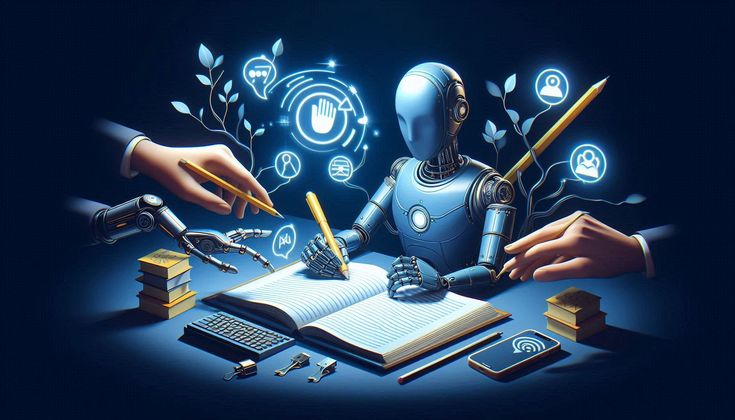
How AI Works
AI systems rely on technologies like Machine Learning and Deep Learning.
- Machine Learning: Enables systems to learn from data and improve over time without being explicitly programmed.
- Deep Learning: Uses neural networks to process complex data like images, speech, and text.
For example, when you use a voice assistant, AI processes your speech, understands your request, and provides a relevant response—all in seconds.
Applications of AI in Real Life
AI is used in almost every industry today:
- Healthcare: AI helps in disease detection, medical imaging, and personalized treatment.
- Business & Marketing: AI analyzes customer behavior and improves targeting.
- Education: AI-powered tools provide personalized learning experiences.
- E-commerce: Recommendation systems suggest products based on user preferences.
- Finance: AI detects fraud and automates trading decisions.
Even small businesses are now using AI tools for content creation, customer support, and advertising.

Benefits of Artificial Intelligence
AI offers several advantages that make it essential in modern times:
- Automation: Reduces manual work and increases efficiency
- Accuracy: Minimizes human errors
- Speed: Processes large amounts of data quickly
- Cost Savings: Improves productivity and reduces operational costs
- Better Decision-Making: Provides data-driven insights
Challenges of AI
Despite its benefits, AI also comes with challenges:
- High Development Cost
- Data Privacy Concerns
- Dependence on Technology
- Job Displacement in Some Sectors
It is important to use AI responsibly and ethically to maximize its benefits while minimizing risks.
Future of AI in 2026 and Beyond
The future of AI looks incredibly promising. Technologies like generative AI, automation, and robotics are becoming more advanced. Businesses are using AI not just for efficiency but also for innovation.
AI will continue to shape industries such as healthcare, marketing, education, and finance. Skills related to AI will also become highly valuable, creating new career opportunities.

Conclusion
Artificial Intelligence is no longer just a futuristic concept—it is a reality that is transforming the world around us. From simplifying daily tasks to solving complex problems, AI is playing a crucial role in shaping the future.
Whether you are a business owner, student, or professional, understanding AI can give you a significant advantage in today’s digital age.